
Mobile MRI in 2026: Faster. Smarter. Strategic.
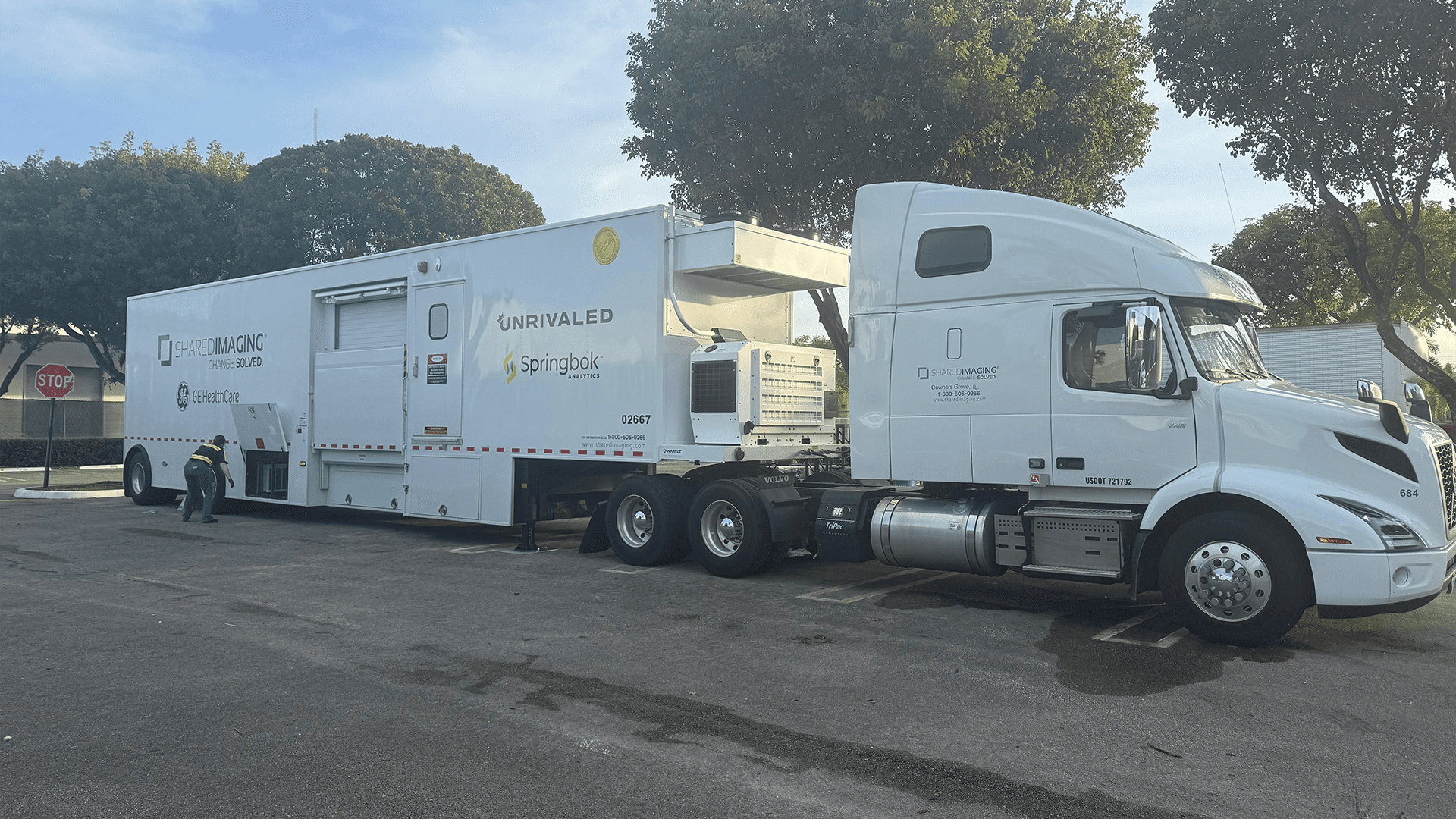
For years, mobile MRI was considered a contingency solution – useful during renovations or equipment replacements. In 2026, that perception has shifted.
MRI demand continues to rise, driven by aging populations, expanded screening protocols, and growth in oncology and orthopedic imaging. At the same time, health systems are facing capital constraints, workforce shortages, and pressure to improve access without expanding physical footprints.
That reality is prompting a more strategic conversation around mobile MRI solutions, not simply as a temporary fix, but as one component of a broader imaging expansion strategy.
Imaging Growth Meets Capital Pressure
MRI utilization has steadily increased over the past decade, and the demand curve isn’t flattening. Yet large capital projects remain costly and time-consuming, often requiring 12–24 months or more from approval to operation.
Mobile MRI solutions offer a different approach, one that allows organizations to respond to volume growth without immediately committing to permanent construction. Deployment timelines are shorter, capital exposure is lower, and flexibility remains intact.
For many organizations, the question is no longer whether mobile can perform, but how mobile fits into the long-term evolution of their imaging strategy.
AI and Technology Parity Have Changed the Landscape
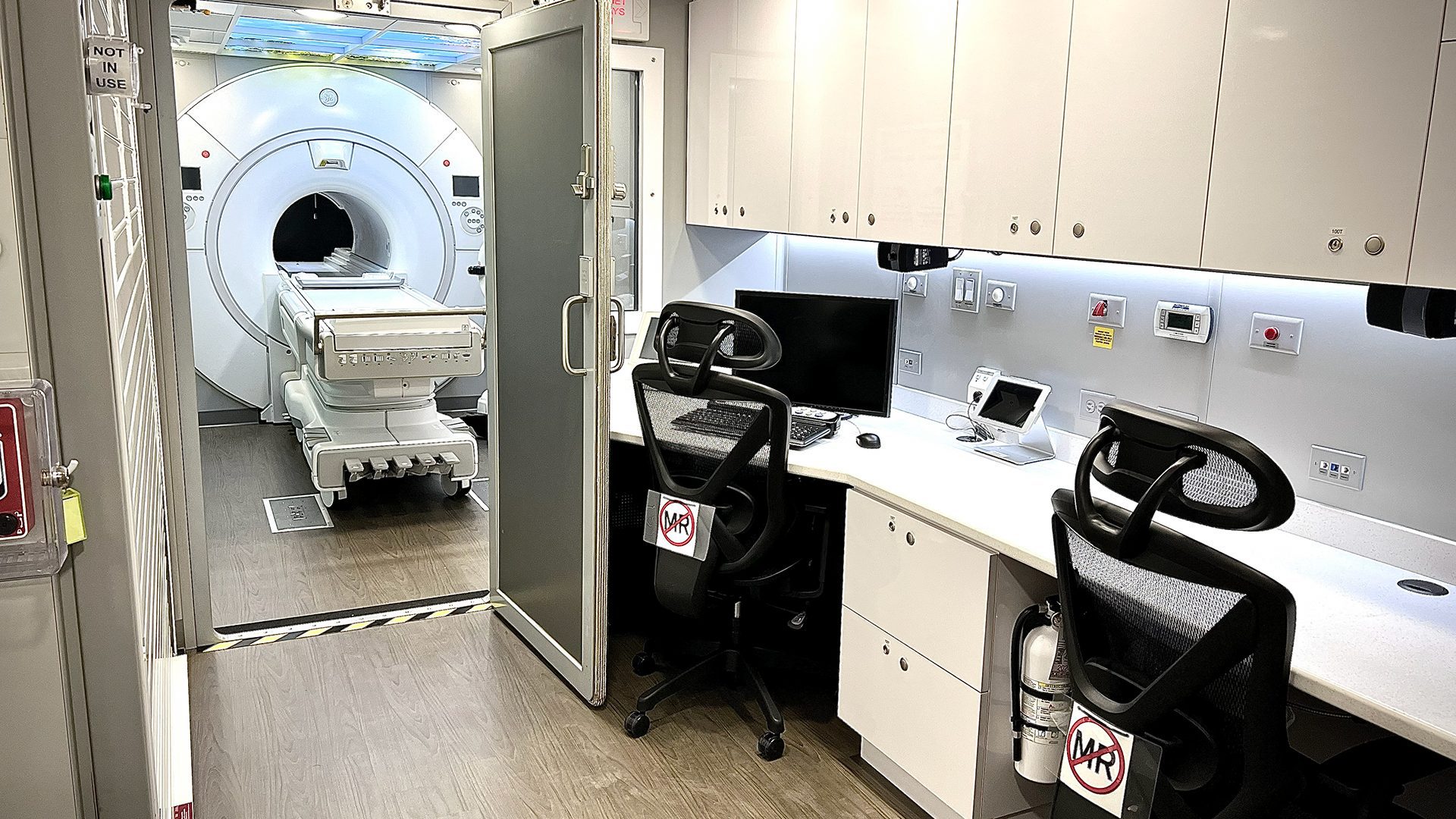
Modern MRI systems, including those deployed through advanced mobile MRI solutions, now incorporate AI-driven reconstruction and workflow optimization. Research has shown that AI-assisted imaging can reduce scan times while maintaining diagnostic quality, improving throughput in high-volume environments.
Just as importantly, the technology gap between mobile and fixed-site MRI has narrowed significantly. Today’s mobile MRI solutions commonly utilize advanced 1.5T platforms with wide-bore configurations and full clinical capabilities across neuro, MSK, and oncology imaging.
When clinical performance is comparable, the conversation shifts to strategy: where, when, and how capacity should be deployed.
Access, Speed, and Flexibility
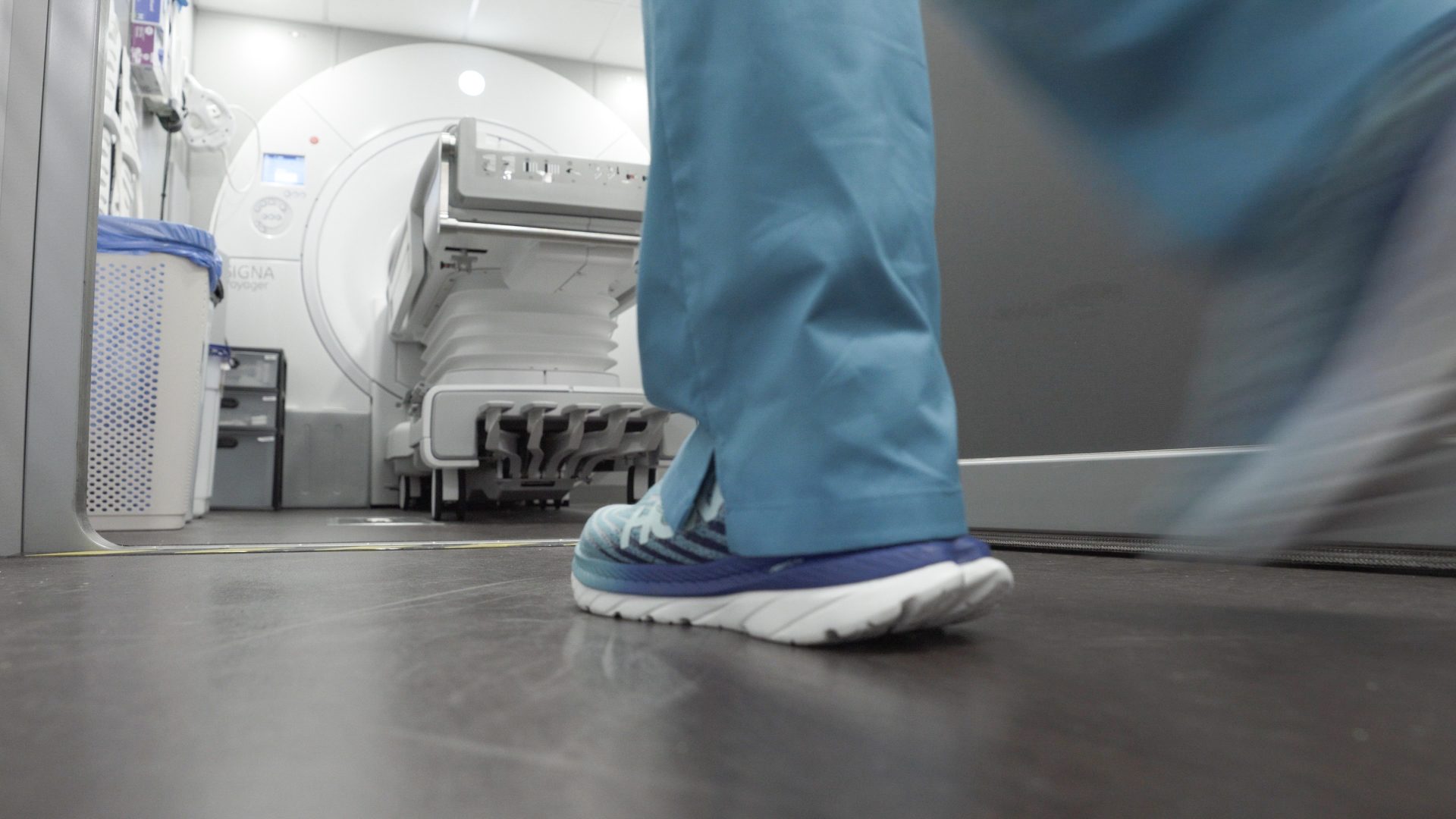
Access to MRI remains a competitive differentiator. Long wait times impact patient satisfaction and downstream referrals. Mobile MRI solutions allow health systems to maintain continuity during upgrades, expand access into underserved markets, and test new service lines without permanent infrastructure.
In many cases, mobile MRI also serves as an early step in an imaging expansion lifecycle – providing immediate access and flexibility while organizations evaluate longer-term capacity needs.
In a healthcare environment defined by margin pressure and uncertainty, agility matters.
A Strategic Conversation for 2026
Mobile MRI is no longer just a temporary fix. For many organizations, it is becoming a deliberate part of long-term imaging strategy balancing demand growth with capital responsibility.
The key question is alignment: does your imaging capacity match your demand, your access goals, and your financial reality?
At Shared Imaging, we work with hospitals and health systems to evaluate how mobile MRI solutions fit within broader operational and strategic plans. Our focus is helping organizations deploy advanced mobile MRI solutions responsibly, efficiently, and with long-term performance in mind.
If mobile MRI is part of your 2026 planning discussion, we welcome the conversation – whether you’re exploring interim coverage, expanding access, or evaluating how mobile fits into a broader imaging expansion strategy.