
Mobile Imaging Site Planning: What Hospitals Need To Prepare Before A Mobile Unit Arrives
A successful mobile imaging deployment starts long before the unit arrives.
Whether a hospital is expanding imaging capacity, replacing equipment, or maintaining services during renovations, mobile imaging solutions offer a flexible way to support continuity of care.
But bringing a mobile MRI, CT, or PET/CT unit onsite requires more than identifying an available parking space. From infrastructure and patient access to staffing and technology integration, thoughtful planning is essential to a smooth transition.
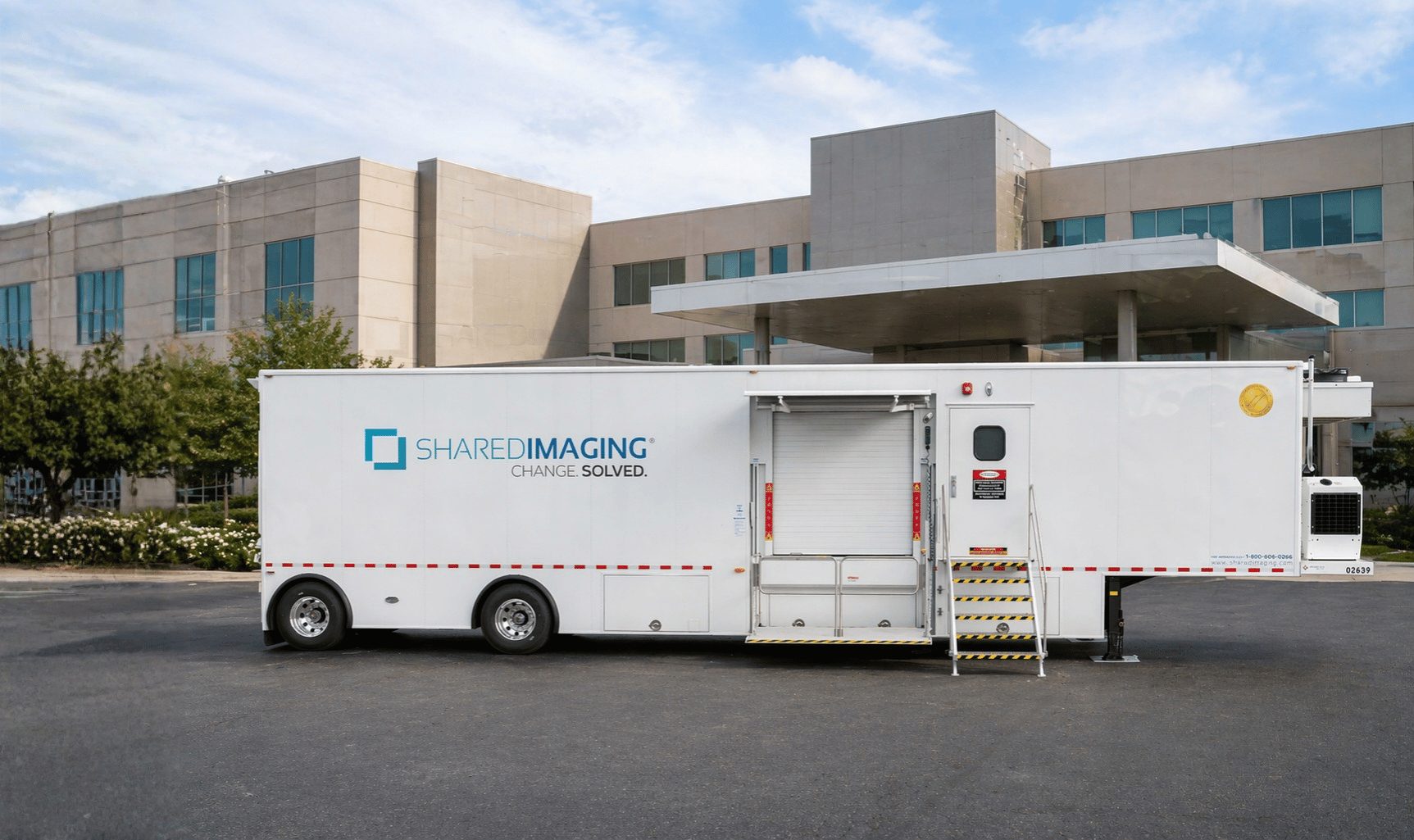
Here’s what hospital leaders should consider before deployment.

Before the Unit Arrives: Preparing Your Site
Every healthcare facility has unique infrastructure, space, and operational requirements. Early coordination between radiology leadership, facilities management, and your mobile imaging partner can help identify potential challenges before they affect deployment.
Site Selection and Physical Access
Evaluate where the mobile unit will be positioned, considering available space, ground conditions, vehicle access, and proximity to the hospital. Delivery routes, turning clearance, parking configurations, and accessible patient entry points should all be reviewed.
Power and Infrastructure Requirements
Mobile imaging systems have specific electrical and infrastructure needs that vary by modality and equipment configuration. Facilities teams should coordinate with the imaging provider to confirm power availability, utility connections, and any necessary site modifications.
MRI-Specific Considerations
Mobile MRI deployments require additional planning around magnetic field safety, controlled access, equipment clearances, and environmental considerations. Site evaluations should address these requirements before installation.
Patient Flow, Safety, and Compliance
Consider how patients and staff will move between the hospital and the mobile suite. Accessible pathways, weather protection, emergency access, and applicable safety and regulatory requirements should be incorporated into the site plan.

Preparing Your Imaging Department
While facilities teams prepare the physical site, radiology leadership should focus on operational readiness.
Staffing and Scheduling
Determine whether existing technologists will support the mobile unit or whether additional staffing is needed. Establish scheduling protocols, patient volumes, and hours of operation that align with departmental demand.
Technology and Connectivity
Engage IT teams early to coordinate network connectivity, PACS/RIS integration, image transfer, and other workflow requirements. Testing these connections before go-live can help prevent delays in patient care.
Training and Workflow Coordination
Ensure technologists, scheduling teams, and other involved personnel understand the equipment, patient preparation requirements, safety protocols, and daily workflows.
Clear communication across radiology, IT, facilities, and hospital leadership helps keep everyone aligned throughout implementation.

Go-Live: From Delivery to Patient Care
Once the site and department are prepared, attention shifts to installation and operational readiness.
A coordinated go-live process should include:
- Delivery and positioning: Confirming safe placement, access, and required utility connections.
- Installation and equipment checks: Completing applicable testing, inspections, and operational verification before clinical use.
- Staff orientation: Reviewing equipment operation, safety procedures, patient movement, and emergency protocols.
- Workflow validation: Confirming scheduling, connectivity, image transfer, and communication processes.
- First-day support: Addressing questions or adjustments as the department transitions into active patient care.
The goal is to ensure the mobile imaging solution is ready to support the department’s clinical and operational needs from day one.
The Right Partner Makes Planning Easier
Mobile imaging site planning involves multiple departments, technical requirements, and operational considerations. With the right preparation and an experienced partner, hospitals can navigate these complexities while keeping patient care at the center of every decision.
At Shared Imaging, we work alongside healthcare organizations throughout the deployment process, from site-specific planning and configuration to delivery, installation, training, and operational integration. Our goal is simple – help healthcare providers expand imaging access while minimizing disruption to the patients and communities they serve.
Planning a mobile imaging deployment? Contact us and explore flexible solutions designed around your facility’s needs.