
Mobile CT for Rural Hospitals: Maintaining Imaging Access in Subzero Alaska Conditions
When temperatures drop and snow blankets the ground, construction projects become more complex – and maintaining access to healthcare becomes even more critical.
At Central Peninsula Hospital, a rural critical access hospital serving its community in Alaska’s Kenai Peninsula, modernization of imaging technology was underway. The hospital was preparing to replace its in-house CT system, a major upgrade designed to enhance long-term diagnostic capabilities.
But before installation could begin, the hospital faced a critical operational challenge:
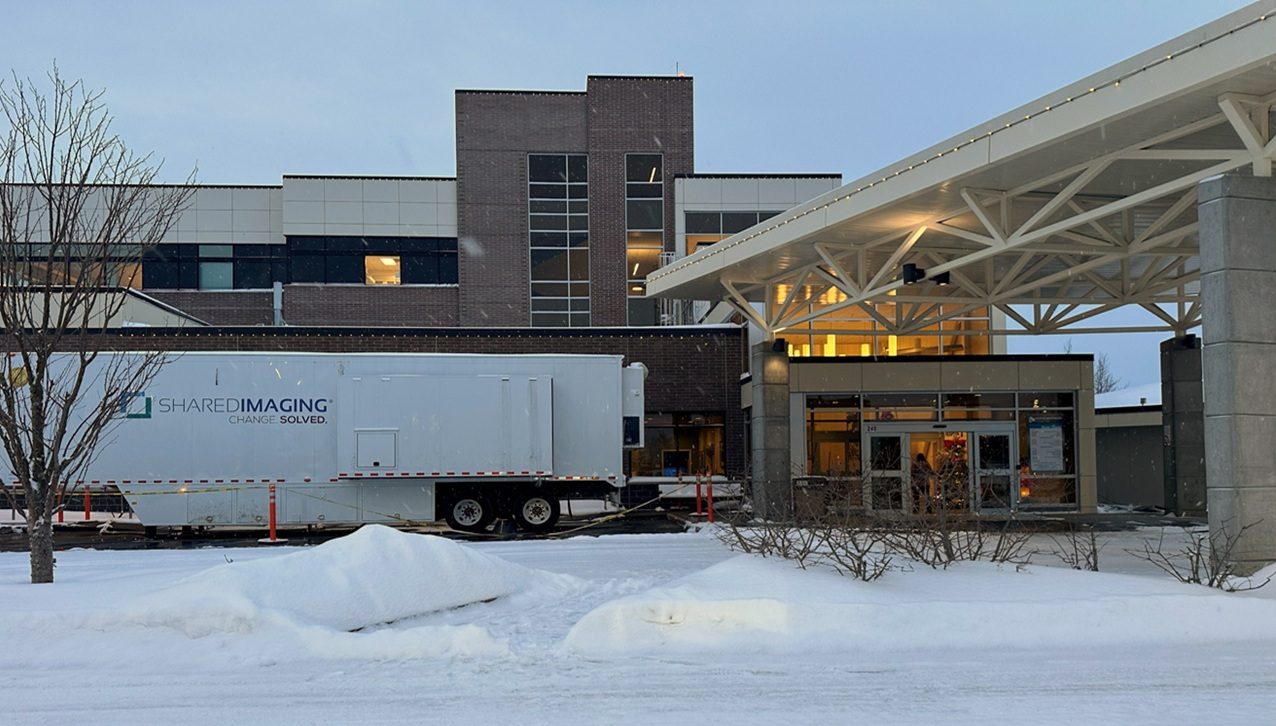
How do you maintain uninterrupted CT access during construction – in subzero winter conditions – without disrupting patient care?
For rural hospitals, imaging downtime can mean delayed diagnoses, extended travel for patients, and significant operational strain. Maintaining continuity of care was essential.
The Challenge: CT Modernization Without Disruption
Replacing an in-house CT system requires careful planning, site preparation, and construction coordination. For Central Peninsula Hospital, maintaining continuity of care during the transition was essential to their patients and community.
The solution required more than simply delivering a mobile CT unit. It required proactive coordination, timeline alignment, environmental preparation, and hands-on partnership from day one.
It required White Glove Service.
The Solution: Proactive Mobile CT Deployment
With construction scheduled, Shared Imaging pre‑planned delivery and coordinated a mobile Siemens go.Top CT unit immediately following the New Year holiday.
Despite heavy snow and subzero temperatures, the mobile coach was delivered, installed, and prepared for scanning on schedule – ensuring there was no gap in outpatient CT services.
National Interim Operations Manager Juan Rocha and Region Sales Manager Kelly Malcolm were on site to support delivery and onboarding. Throughout the holiday period, teams remained in close communication to ensure a seamless go-live. Ongoing service support ensured operational continuity without disruption to patient schedules.
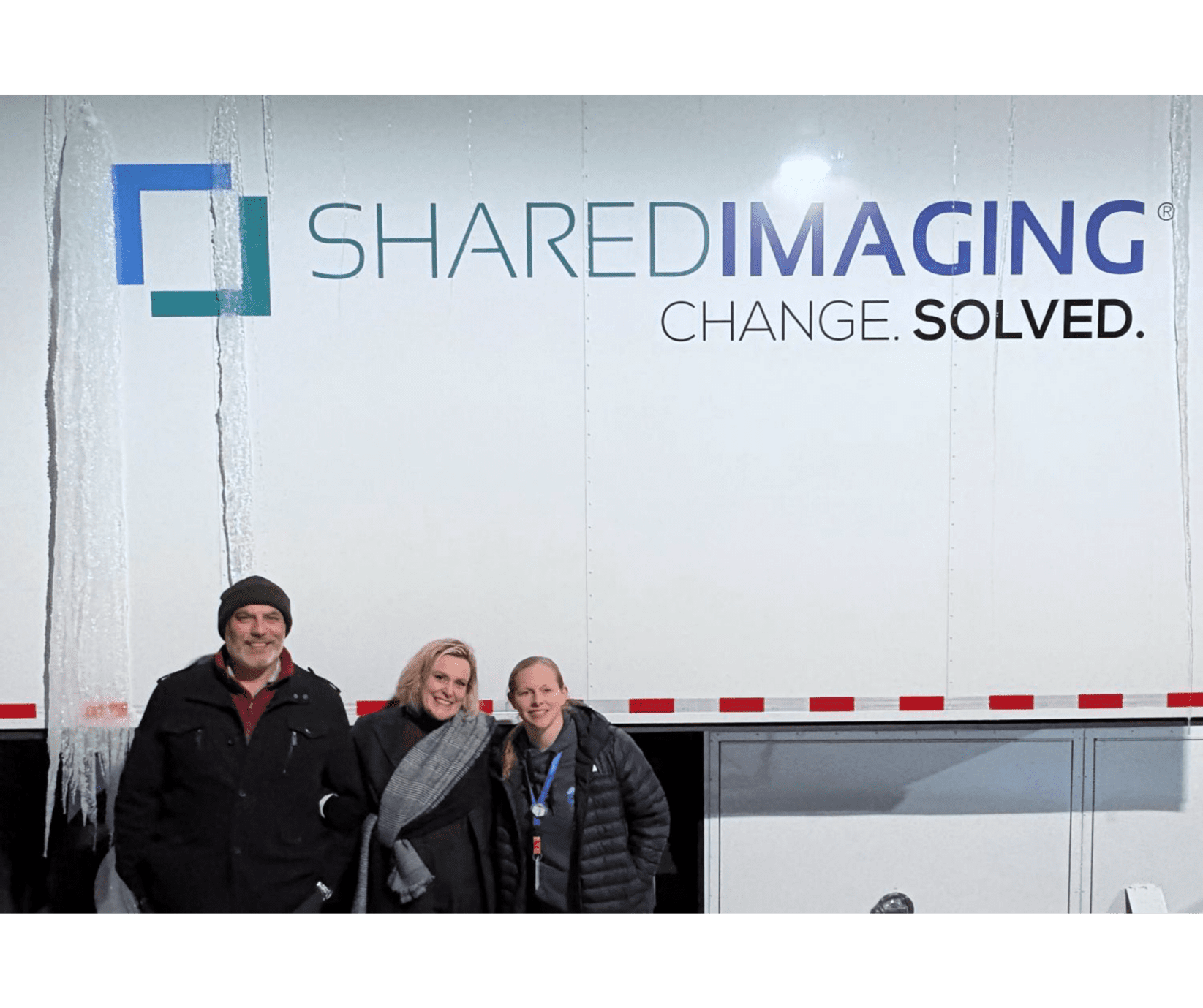
L-R: National Interim Operations Manager Juan Rocha, Region Sales Manager Kelly Malcolm, and CT Lead Carlie Hartman on site in Alaska — ensuring a seamless mobile CT delivery, onboarding, and go-live.
The Result: Continuity of Care in Extreme Conditions
From day one, the focus was clear: protect patient access, support clinical teams, and ensure the construction timeline stayed on track – without compromise.
The results speak through the experience of the team on the ground. As Imaging Services Director Traci DeCongilio, DHA, RT(R), shared:
“Thank you for your continued partnership throughout the mobile CT delivery, onboarding, and go-live period. We truly appreciated the level of support you provided – your engagement made a meaningful difference. The team has transitioned smoothly, workflows are stabilizing, and the environment has remained comfortable for both staff and patients despite the typical Alaska winter conditions.”
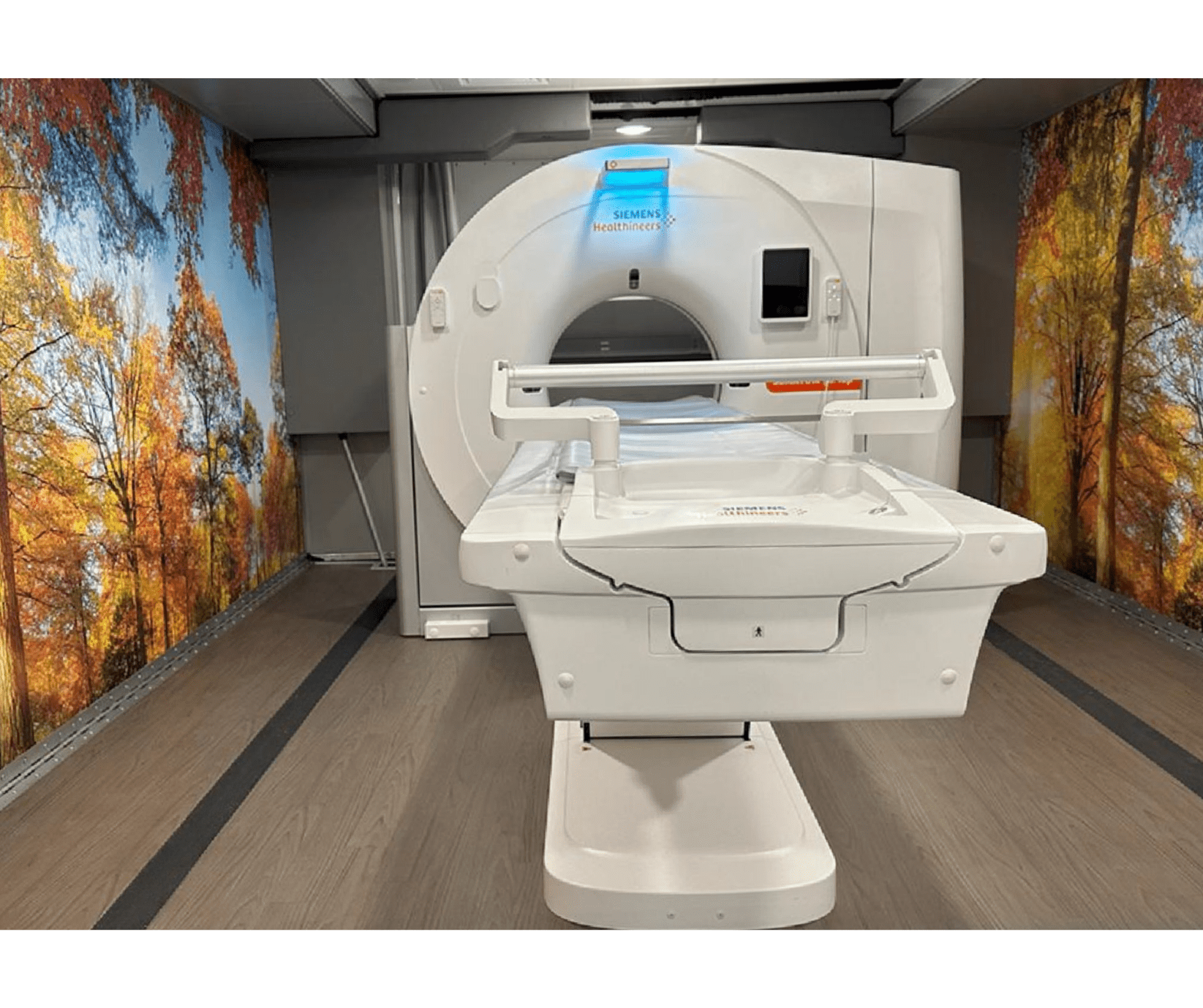
The engagement delivered measurable impact:
- Continuous CT access for patients during construction
- On-time, on-budget execution
- A stable and comfortable imaging environment despite harsh weather conditions
- Seamless workflow transition for clinical staff
White Glove Service in Action
At Shared Imaging, modernization is never just about equipment – it is about protecting access to care.
Our mission is clear: Our customers and their patients – above all else.
White Glove Service means planning ahead to prevent downtime. It means standing alongside healthcare partners from delivery through go-live and beyond. It means ensuring that even in extreme environments, imaging services remain uninterrupted.
By delivering mobile CT solutions, Shared Imaging helps organizations modernize confidently – without compromising patient access.
We are proud to support Central Peninsula Hospital as they advance imaging capabilities for their community.
When healthcare evolves and patients never feel the disruption –