
2026 Imaging Trends
As healthcare continues to evolve at an accelerated pace, diagnostic imaging remains central to meeting clinical demand, improving outcomes, and expanding access to care.
Let’s explore the top imaging trends that will shape your imaging strategy in 2026.

Artificial Intelligence
AI has moved beyond experimentation and into everyday operations. Hundreds of FDA-cleared AI applications are already in clinical use, supporting tasks such as disease detection, exam prioritization, and report assistance. These tools are increasingly embedded across the imaging continuum – from image acquisition and quality control to diagnostic support and operational analytics – and help providers manage growing volumes, address workforce constraints, and improve diagnostic confidence across modalities.
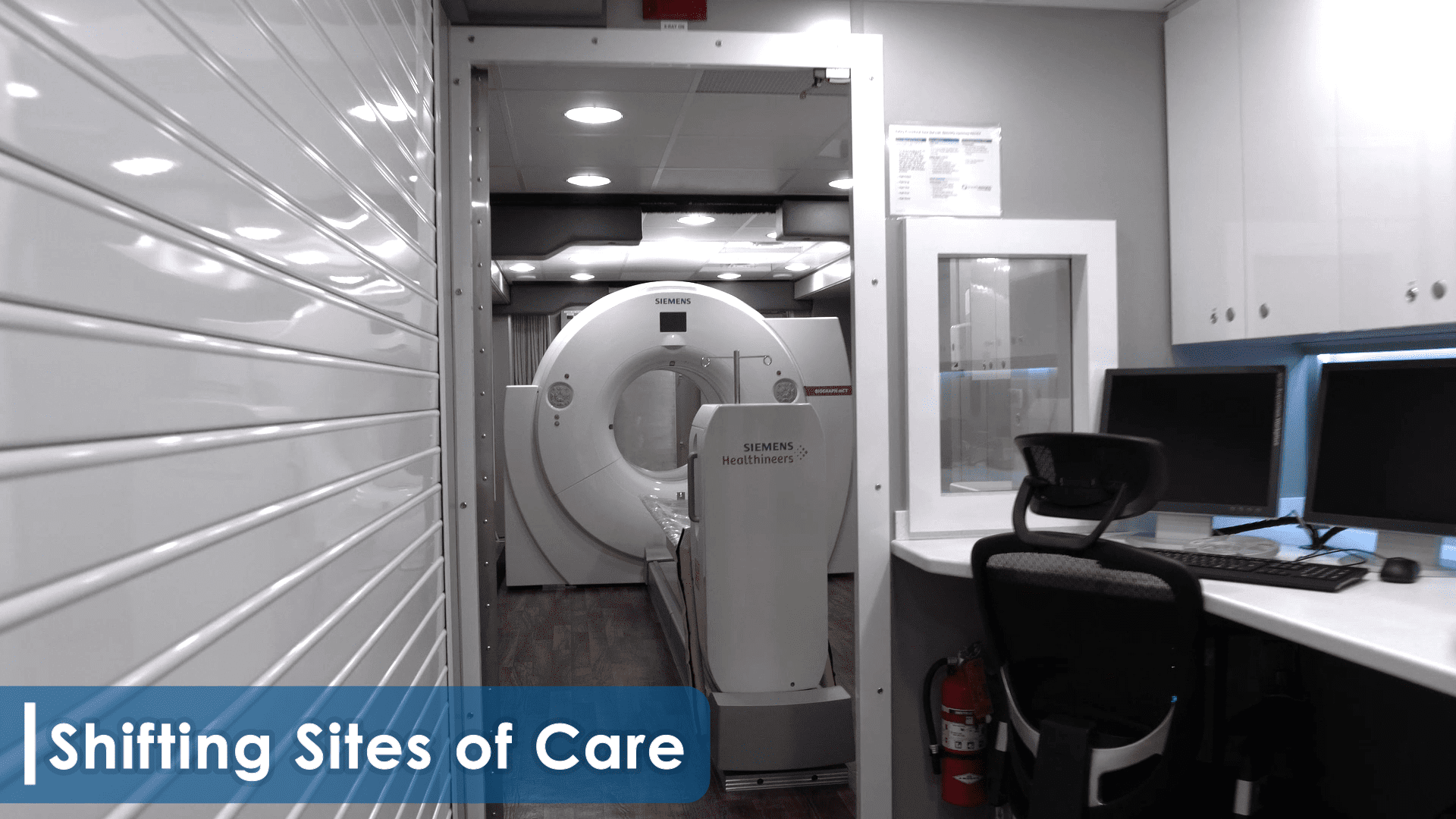
Shifting Sites of Care
Imaging demand continues to rise, driven by an aging population, increased chronic disease prevalence, and expanded screening guidelines. Advanced modalities such as PET, CT and MRI are seeing sustained growth, while care delivery is increasingly moving beyond the hospital walls. Health systems are investing in mobile, outpatient, and community-based imaging solutions to improve access, manage capacity, and meet patients where they are.
Mobile imaging plays a critical role in supporting this shift – especially for rural, underserved markets.
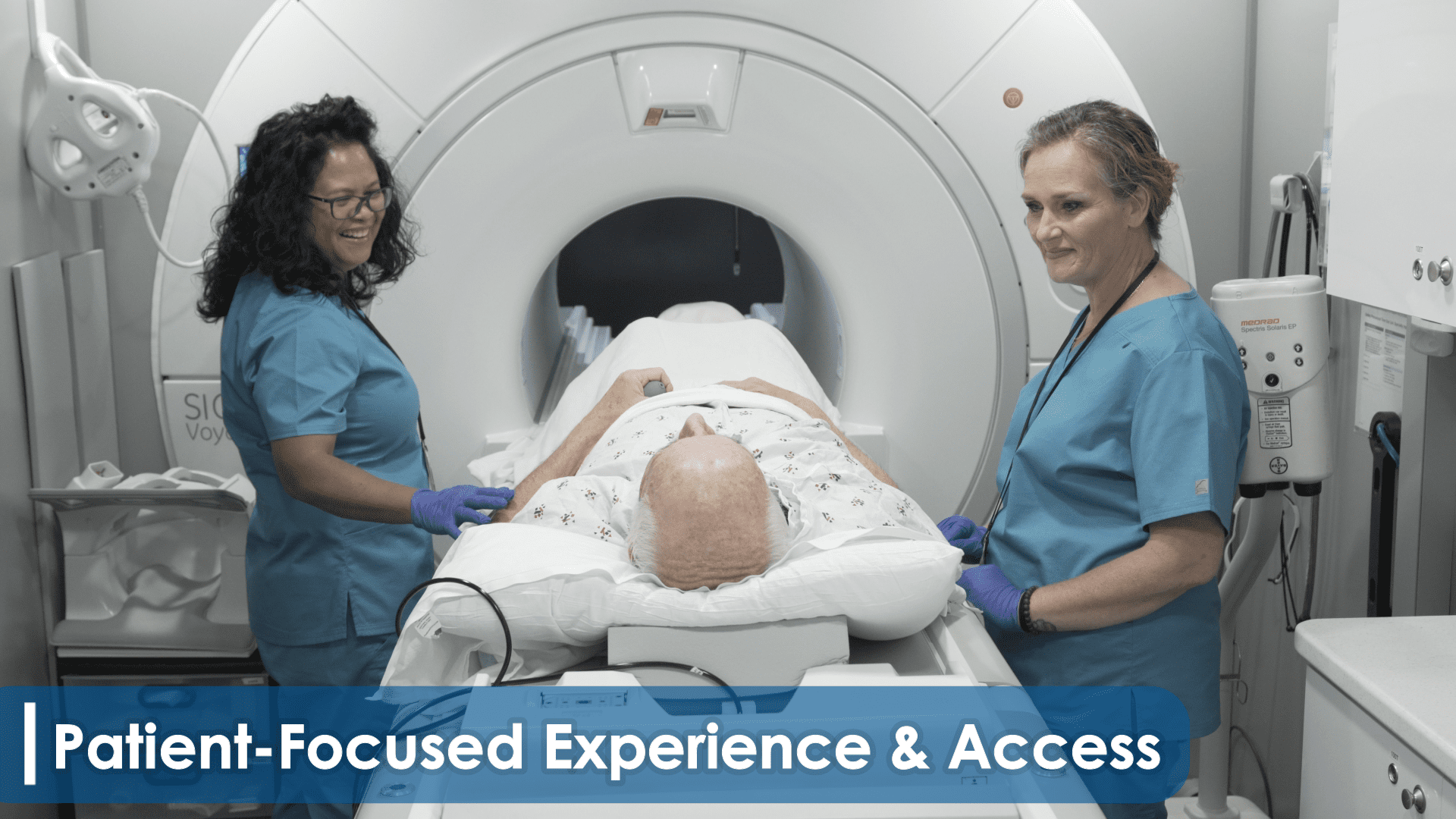
Patient-Focused Experience & Access
Patient expectations around imaging continue to evolve, with greater emphasis on speed, comfort, and convenience. In response, imaging leaders are prioritizing lower-dose protocols, shorter scan times, and environments designed for safety and comfort. Flexible imaging solutions are key to expanding access while maintaining a high standard of care.
Cardiac PET Expansion
Cardiac PET imaging continues to gain momentum as demand grows for more accurate, efficient, and reliable cardiac PET-based diagnostics. Advances in radiopharmaceutical tracers and scanner technology are making Cardiac PET more accessible via mobile imaging solutions, community hospitals and outpatient settings. As cardiovascular disease remains a leading cause of care utilization, Cardiac PET is becoming an essential tool for early detection, improved diagnostic confidence, and optimized patient management.

Workforce Dynamics
Ongoing workforce challenges remain a top concern. Recruiting and retaining qualified technologists and radiologists is increasingly difficult as imaging volumes rise and technology advances. Imaging leaders are exploring flexible staffing models, workflow optimization, and strategic partnerships to maintain service continuity while reducing strain on internal teams.

Cost Pressures
Persistent inflation, rising utilization, and capital constraints are forcing healthcare organizations to carefully balance access, quality, and cost. In 2026, imaging strategies will favor flexible solutions that reduce upfront investment while preserving access to advanced technology enabling leaders to respond to demand without overextending resources.

Regulatory & Policy Shifts
Evolving reimbursement models and increased regulatory oversight continue to influence how imaging services are deployed and expanded. Partnering with an experienced imaging service provider that stays abreast of policy changes can help organizations remain agile, compliant, and well positioned to navigate both challenges and opportunities across modalities.
Looking Ahead
The healthcare landscape is ever-changing, and staying ahead of these shifts is crucial for healthcare leaders. Align your imaging strategy around these trends to ensure optimal care and enhance overall efficiency.
Contact us today to learn how Shared Imaging can be a strategic partner in helping your organization keep pace with change now and in the future.